
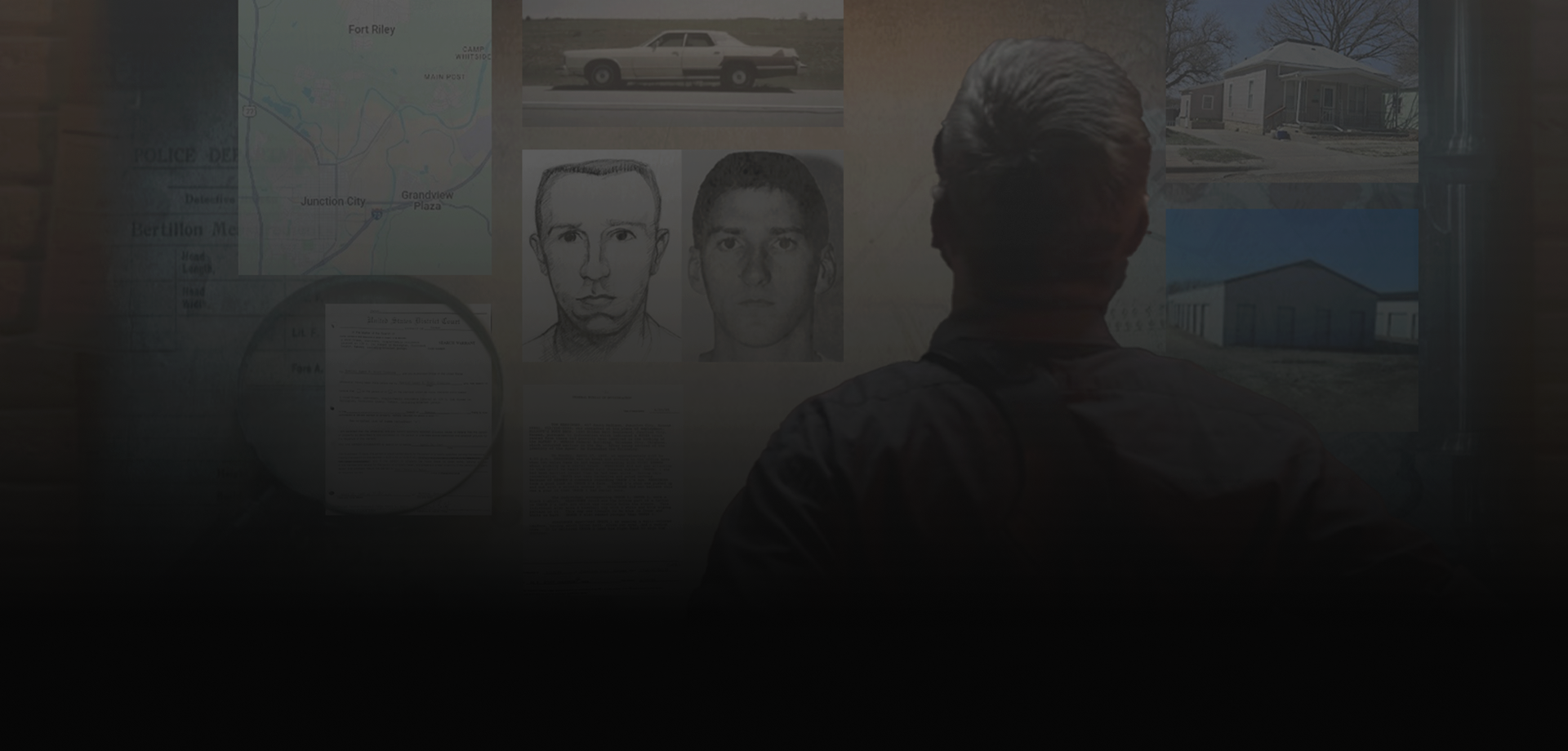
Let’s be honest—we’re drowning in “based on a true story” crime shows these days. Netflix can’t churn them out fast enough. But here’s the thing: reality itself is often way more gripping than whatever Hollywood cooks up. The real trick for true crime writers isn’t jazzing up a boring story—it’s staying honest while keeping you glued to the page. This balancing act is exactly all about the book “Under 80 Hours” by Russell Scott Crabtree which is so damn good. The guy was an actual FBI agent who worked the 1995 Oklahoma City Bombing case. He gives us a front-row seat to one of America’s most intense manhunts ever. What sets his book apart isn’t just the insider access—it’s how he keeps you on the edge of your seat without ever bending the truth. That’s the real art of true-life suspense.
When Facts Are the Story
Most true crime writers hit a wall pretty quick: real investigations are messy as hell. Leads fizzle out. Breakthroughs come from nowhere. Nothing wraps up in a tidy bow. Yet readers still want that satisfying story arc. What Crabtree nails in “Under 80 Hours” is showing that you don’t need to manufacture suspense—it’s baked into the situation. The title itself tells you the stakes: they had just 80 hours to track down the people behind one of America’s deadliest terrorist attacks. Talk about a ticking clock! Every minute mattered. Every decision could change everything. Instead of making up dramatic conversations or embellishing scenes, Crabtree just lets those intense hours speak for themselves. The bone-deep exhaustion of investigators, the crushing weight of what happened, the fear that suspects might slip away—this creates a momentum that puts most thrillers to shame.
Authenticity as the Source of Drama
In fiction, writers pull all kinds of tricks to keep you hooked—cliffhangers, red herrings, you name it. But true crime is a different beast. The drama has to come naturally from what actually happened. Crabtree gets this. What makes “Under 80 Hours” so compelling isn’t his storytelling tricks—it’s the raw story itself. The authenticity hits different when you’re reading about an investigation from someone who lived through every excruciating minute of it. The suspense feels real because, well, it was. He doesn’t need to amp up the urgency. I mean, the FBI and local cops were racing against time to catch whoever killed 168 people, including kids, in Oklahoma City. Every hour that passed without an arrest meant more potential danger. You can’t—and shouldn’t—try to jazz that up with artificial drama. The truth is terrifying enough. Crabtree’s restraint is what gives his book such power. By sticking to what actually happened, he builds a trust with readers that pulls you in deeper than any plot twist could.
The Power of Perspective
What makes “Under 80 Hours” so different is Crabtree’s insider view. He’s not some journalist piecing together secondhand accounts—he was there, in the room, living it. That firsthand experience makes every page feel authentic and shapes how the tension builds. Because he was there, he knows which moments actually mattered. He remembers exactly how it felt when a crucial clue finally clicked, the mind-numbing fatigue after days without sleep, the gut-wrenching fear they might be too late. These aren’t moments crafted for dramatic effect—they’re burned into his memory because they were genuine turning points. His writing doesn’t feel like manufactured suspense—it feels like someone reliving something intense. He’s not creating tension for you—he’s remembering how it felt. And man, that honesty hits hard.
Structure as a Tool for Tension
Even without making stuff up, how you structure a true crime story can crank up the suspense. Crabtree lays out “Under 80 Hours” like the investigation itself—moment by moment, step by step. This puts you right there with the agents who lived it—you don’t know what’s coming next because they didn’t either. Each chapter builds on the last, showing how tiny details—a random receipt, a traffic stop, someone’s sharp observation—snowballed into major breakthroughs. By showing how the case unfolded in real time, you discover things alongside Crabtree. Suddenly, boring procedural details become holy-shit moments. There’s no need for forced cliffhangers—just the natural rhythm of a case where every lead could make or break everything. The suspense is baked into the process itself.
Emotion Without Exploitation
True crime walks a fine line between honoring victims and exploiting tragedy. Too many writers linger on gruesome details or milk grief for cheap emotional impact. Crabtree takes the high road. He acknowledges the horror of the Oklahoma City Bombing without turning it into trauma porn. He doesn’t dwell on the gory details for shock value. Instead, he focuses on the response—the courage, teamwork, and relentless pursuit of justice. The emotional punch of “Under 80 Hours” comes not just from the tragedy, but from seeing how people refused to let it go unanswered. This restraint actually makes the emotional impact stronger, not weaker. You feel the weight of what happened precisely because Crabtree treats it with dignity. He honors those who died while showing the very human side of law enforcement—the exhaustion, fear, and determination that drove them forward.
Truth as the Ultimate Suspense
In this age of true crime podcasts and Netflix docudramas, we’ve gotten used to stories where reality gets twisted for entertainment. But “Under 80 Hours” reminds us that the truth itself can be electrifying. Knowing that everything in the book actually happened—every decision, doubt, and breakthrough was real—makes reading it more intense, not less. Crabtree shows that suspense doesn’t come from making stuff up—it comes from real stakes. When actual lives and justice hang in the balance, every action matters. You don’t need fictional twists when the truth already has you holding your breath.
A Lesson for Writers and Readers Alike
For anyone wanting to write true crime, “Under 80 Hours” offers a killer lesson: powerful nonfiction isn’t about embellishment—it’s about trust. Trust your story. Trust your facts. Trust your readers to feel the tension without being spoon-fed drama. For readers, it’s a reminder that authenticity has its own kind of magic. The most gripping stories don’t just entertain—they inform, challenge, and bear witness. By walking that tightrope between fact and narrative, Crabtree proves that truth, when told with integrity, can be as thrilling as any novel—and way more meaningful.
Conclusion
“Under 80 Hours” isn’t just a play-by-play of a historic manhunt; it’s a masterclass in real-life suspense. Russell Scott Crabtree doesn’t need to borrow tricks from fiction—he doesn’t have to. What actually happened in those 80 hours is compelling enough on its own. Through careful pacing, emotional restraint, and unwavering commitment to truth, he shows how authenticity and narrative drive can perfectly complement each other. In doing so, he redefines what true crime can be—not some sensationalized retelling, but a powerful reminder that the pursuit of justice, when told honestly, is the most gripping story of all.