
Every crime had some story behind it, and often that story hides inside the smallest trace. A thin thread, a soft fingerprint, or a half-burnt note may look useless, but it can turn the whole case around. Law officers know that big truths sometimes hide within tiny marks, and they train their minds to notice what others overlook. They observe with sharp eyes, compare each sign with care, and connect small clues until a full picture starts to form. Many strange cases find their answers not through luck but through steady focus and close observation. That is why police training reminds every officer never to dismiss a single item or ignore even a short remark. In every investigation, careful attention to detail stands as the bridge that leads from confusion to clear understanding. There is one popular must read book Under 80 Hours for better understanding of dealing with crime investigation.
How Law Enforcement Begins with Fragments
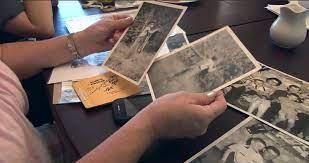
Every case often begins in confusion, with no witness, suspect, or reason in sight. Investigators then turn to small fragments that others fail to see, and they search for little changes in routine or behavior. A torn fabric, a faint shoe mark, or even a lost button can begin the chase for truth.
They record each sign with care because one small clue can open many new paths. Their method stays simple but powerful, they observe, record, and compare until patterns appear. What seems random to many slowly forms meaning under their calm and patient eyes.
The Role of Observation and Intuition
Observation means more than just seeing; it means understanding what the eyes truly catch. Skilled officers train their sight to notice the smallest things that others often pass by. They see dust moved slightly, or a window left half open without reason. A loose shoelace or a misplaced cup can awaken quick suspicion in their minds. Intuition then guides them when logic gives no clear path, and it whispers where to look next. Sometimes they sense danger before proof appears. Training shapes this instinct, and experience strengthens it, so both walk together in solving difficult crimes.
Forensic Science: The Magic of Microscopic Evidence
Modern crime solving depends strongly on science, and every small trace can speak the truth. A thin hair, a drop of blood, or a bit of dust can carry hidden answers inside it. Forensic experts use microscopes, chemical tests, and DNA tools to uncover those secrets. Even a small stain or mark can tell where a person went or what they touched. Soil on a car tire may show its route, and a single fingerprint can expose presence. A torn paper edge can match its other half, and together they prove facts clearly through science.
Real Case Examples: When Tiny Clues Made History
In many famous investigations, small pieces of evidence became the turning point of truth. A cigarette butt once helped police find a killer after many silent years. In another case, a single hair on a coat led officers to a hidden helper in crime. A faint fingerprint on a glass also broke open a robbery that seemed impossible to solve. Even shoe marks in wet mud matched one rare brand and guided detectives forward. Such stories remind officers that truth often stands in plain sight, and small evidence, though simple, carries great power in court.
The Process of Linking all Clues
When detectives collect clues, they must connect them carefully like links in a strong chain. They study patterns in time, movement, and behavior while matching them with objects found at the scene. They compare crime reports, phone records, and witness words to build a single line of truth. A single clue alone may look weak, but together they create a path that points to answers. This stage of work mixes logic with imagination, and it calls for teamwork, clear talk, and steady patience. Detectives share ideas, test their theories, and follow every possible link until facts appear. Some paths lead nowhere, yet others open new directions that guide the case forward. Step by step, these small pieces form a complete and honest story.
Understanding the human mind also plays a great role in solving crime. Investigators read expressions, tone, and small actions to sense hidden fear or guilt. They notice quick blinks, repeated words, or nervous habits that reveal emotion. Even how a suspect sits or answers can uncover truth that evidence alone cannot show.
Understanding the human mind plays a deep role in solving crimes, and every emotion leaves a silent trace. Investigators read suspects’ reactions and study their tone, eyes, and movement with care. A small lie, a nervous smile, or a sudden pause can show fear hiding behind calm words. Officers also notice repeated phrases or shifting posture that reveal discomfort. They listen to speech patterns, study behavior, and connect actions with motives. Even how a suspect sit, arranges objects, or avoids eye contact can tell a hidden story. These small psychological signs form profiles that help connect the evidence with truth. The human mind often leaves marks more powerful than fingerprints or footprints.
Technology now adds another powerful layer to small clues. A deleted text, a GPS record, or a quick online post can uncover unseen facts. Digital forensics helps officers follow the trail of data and time. Each call, message, and search leaves behind a footprint that never truly disappears. Investigators match digital traces with physical proof to complete the chain of evidence. Even a short video clip or a single email can open a hidden link in a case. Technology has turned invisible data into clear and visible proof of action.
Solving crimes from tiny fragments needs patience, precision, and focus. Investigators must stay calm and steady even when answers seem far away. They check the same photos and files many times, knowing one missed clue can change everything. Each piece of evidence must be tested carefully before being trusted. Patience becomes their strongest weapon, and accuracy becomes their shield.
Great detectives agree that success depends more on careful waiting than force. Their steady eyes remind us that nothing small is ever meaningless in the search for truth.